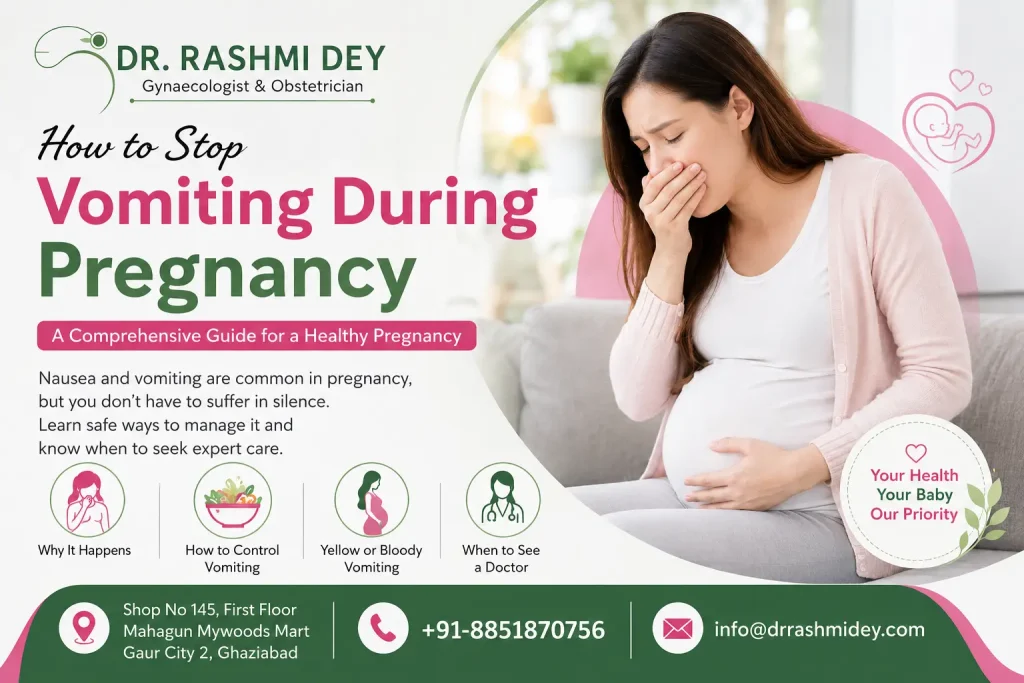
How to Stop Vomiting During Pregnancy: A Comprehensive Guide
Nausea and vomiting are among the most common symptoms experienced during pregnancy, particularly during the first few months. Although many people call it “morning sickness,” symptoms can occur at any time of the day. For some women, pregnancy vomiting is mild and manageable, while others may experience frequent or severe symptoms that need medical attention. Understanding why vomiting during pregnancy happens, knowing safe ways to manage it, and recognising warning signs can help expectant mothers take better care of themselves and their growing baby.
Why Does Vomiting During Pregnancy Happen?
Pregnancy causes several physical and hormonal changes in the body. Rising levels of hormones, particularly hCG and estrogen, are believed to play an important role in nausea and vomiting.
Other factors that may contribute include:
- Increased sensitivity to smells and tastes
- An empty stomach or low blood sugar
- Fatigue and lack of sleep
- Stress or anxiety
- Acid reflux and digestive changes
- Certain spicy, oily, or strongly scented foods
- Carrying twins or multiple babies
The severity of symptoms varies from woman to woman. Some may feel mild nausea, while others may struggle to eat or drink comfortably.

How to Control Vomiting During Pregnancy
If your symptoms are mild, a few simple lifestyle and dietary changes may provide relief.
Eat Small, Frequent Meals
Avoid keeping your stomach empty for long periods. Instead of eating three heavy meals, try having smaller portions throughout the day. Plain crackers, toast, fruits, or other easily digestible foods may be helpful.
Stay Hydrated
Repeated vomiting can lead to dehydration. Take small, frequent sips of water rather than drinking a large amount at once. If plain water increases nausea, speak with your doctor about suitable ways to maintain hydration.
Identify and Avoid Triggers
Certain smells, foods, or environments can make nausea worse. Common triggers may include:
- Oily and heavily spiced foods
- Strong cooking smells
- Perfumes or fragrances
- Excessively greasy meals
Every pregnancy is different, so identifying personal triggers can make symptom management easier.
Get Adequate Rest
Tiredness can increase feelings of nausea. Try to get sufficient sleep and take breaks when needed. A regular routine and proper rest may help reduce discomfort.
Consider Doctor-Recommended Treatment
Do not take medicines or supplements for nausea without professional guidance during pregnancy. If home remedies are not helping, your gynaecologist can recommend appropriate treatment based on your symptoms and stage of pregnancy.
Yellow Colour Vomiting During Pregnancy: What Could It Mean?
Yellow colour vomiting during pregnancy may sometimes happen when the stomach is empty and bile is brought up. It can also occur after repeated episodes of vomiting.
Occasional vomiting may not always indicate a serious problem, but persistent yellow or green vomit should not be ignored. Contact a doctor, especially if you also experience:
- Severe abdominal pain
- Fever
- Inability to eat or drink
- Signs of dehydration
- Repeated or worsening vomiting
A medical evaluation can help identify the cause and provide appropriate treatment.
Vomiting Blood During Pregnancy: When Is It an Emergency?
Vomiting blood during pregnancy requires prompt medical attention. Repeated or forceful vomiting can sometimes irritate the food pipe and cause minor bleeding. However, blood in vomit can also be associated with other conditions that need urgent evaluation.
Seek medical help immediately if you notice:
- Fresh red blood in vomit
- Dark or coffee-ground-like material
- Severe pain
- Dizziness, weakness, or fainting
- Repeated bleeding or persistent vomiting
Do not try to self-treat this symptom. Timely medical assessment is important for the health and safety of both mother and baby.
When Does Pregnancy Vomiting Become Serious?
In some cases, nausea and vomiting become severe and persistent. This may be associated with a condition called hyperemesis gravidarum, which can lead to dehydration, weight loss, and nutritional deficiencies if not managed properly.
You should contact a pregnancy specialist if you:
- Cannot keep food or fluids down
- Are vomiting repeatedly throughout the day
- Feel extremely weak or dizzy
- Notice very dark urine or reduced urination
- Experience unexplained weight loss
- Have severe abdominal pain
- Notice blood in your vomit
Early consultation can help prevent complications and ensure appropriate care.
Simple Tips to Reduce Nausea During Pregnancy
Although it may not always be possible to completely stop pregnancy-related nausea, these habits may help:
- Eat a light snack before getting out of bed.
- Avoid skipping meals.
- Keep easy-to-digest snacks available.
- Take fluids in small amounts throughout the day.
- Avoid known food and smell triggers.
- Get adequate rest.
- Follow a balanced diet recommended by your doctor.
- Take prescribed medication exactly as advised.
It is important to remember that every pregnancy is different. What works for one woman may not work for another, so personalised medical advice is always valuable.
When Should You See a Gynaecologist?
Mild nausea is common, but persistent symptoms should be discussed with a healthcare professional. Women in Gaur City 2, Noida Extension, Ghaziabad, and nearby Delhi NCR areas can seek timely pregnancy care when symptoms become frequent, severe, or difficult to manage.
Consult a doctor if vomiting affects your ability to eat, drink, work, rest, or carry out daily activities.
FAQs About Vomiting During Pregnancy
Why vomiting during pregnancy is common?
Hormonal changes, digestive changes, increased sensitivity to smells, and other pregnancy-related factors can contribute to nausea and vomiting.
How to control vomiting during pregnancy naturally?
Small frequent meals, adequate hydration, proper rest, and avoiding personal triggers may help. However, persistent or severe symptoms should be evaluated by a doctor.
Is yellow colour vomiting during pregnancy normal?
It may occur when the stomach is empty or after repeated vomiting. Persistent yellow or green vomiting should be discussed with a healthcare professional.
What should I do if I notice vomiting blood during pregnancy?
Seek prompt medical attention. Blood in vomit should not be ignored, especially if it is repeated or accompanied by pain, weakness, or dizziness.
Expert Pregnancy Care in Gaur City 2, Ghaziabad
If you are experiencing frequent nausea, pregnancy vomiting, or need guidance on how to control vomiting during pregnancy, professional medical advice can help you manage your symptoms safely. For personalised pregnancy and gynaecological care, visit Dr. Rashmi Dey website at Shop No 145, First Floor, Mahagun Mywoods Mart, Gaur City 2, Ghaziabad. You can call +91-8851870756 or email info@drrashmidey.com for consultation and appointment information.
Read Also Blogs:
Baby Movement During Pregnancy
Pregnancy Complications: Symptoms & Care Guide