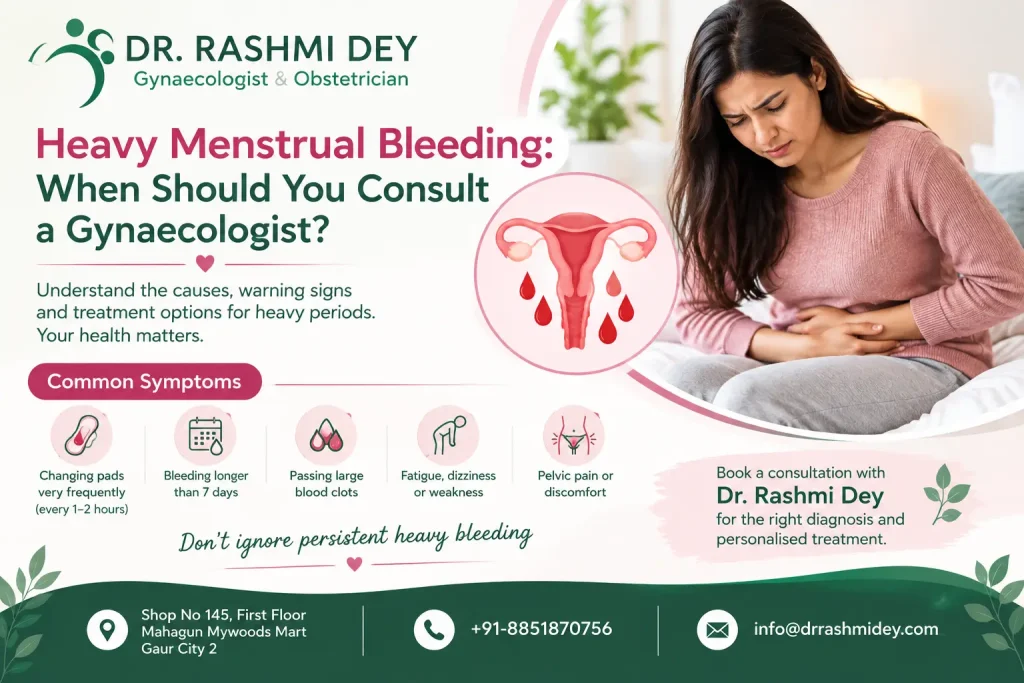
Heavy Menstrual Bleeding: When Should You Consult a Gynaecologist?
Menstrual periods are a natural part of a woman’s reproductive health, but bleeding that is unusually heavy, lasts longer than normal or interferes with everyday activities should not be ignored. Heavy menstrual bleeding can affect your physical comfort, energy levels, work, sleep and overall quality of life. In some cases, it may also lead to iron deficiency or anaemia.
Many women assume that heavy periods are normal for them, especially if they have experienced them for years. However, a noticeable change in menstrual flow or bleeding that affects your daily routine deserves medical attention.
Understanding the possible causes, warning signs and available treatment options can help you decide when to consult a gynaecologist and take appropriate steps to protect your health.
What Is Heavy Menstrual Bleeding?
Heavy menstrual bleeding refers to menstrual blood loss that significantly affects a woman’s physical, emotional or social well-being. It may involve bleeding for longer than usual, needing to change sanitary products very frequently or experiencing large blood clots.
Although menstrual cycles vary from person to person, you should pay attention to changes in your usual pattern.
Common signs of heavy menstrual bleeding include:
- Needing to change a sanitary pad or tampon every one to two hours because it becomes saturated.
- Bleeding that lasts longer than seven days.
- Passing blood clots that are larger than usual.
- Waking up during the night to change menstrual protection.
- Feeling unusually tired, weak or short of breath during your period.
- Avoiding normal activities because of heavy flow or menstrual discomfort.
These symptoms do not always indicate a serious condition, but persistent or disruptive bleeding should be evaluated by a healthcare professional.
What Causes Heavy Menstrual Bleeding?
Several conditions can contribute to unusually heavy periods. Identifying the underlying cause helps your doctor recommend appropriate treatment.
1. Hormonal Imbalance
Hormones regulate the menstrual cycle and the growth of the uterine lining. When ovulation does not occur regularly or hormone levels fluctuate, the lining may build up and shed irregularly, resulting in heavy or prolonged bleeding.
Hormonal changes can occur during adolescence, perimenopause and certain medical conditions. A gynaecologist may recommend investigations based on your symptoms and menstrual history.
2. Uterine Fibroids and Polyps
Uterine fibroids are non-cancerous growths in or around the uterus. Depending on their size and location, they may cause heavy periods, pelvic pressure or discomfort.
Uterine polyps are growths in the lining of the uterus that can also contribute to heavy or irregular bleeding.
An ultrasound or other investigations may be recommended if your doctor suspects these conditions.
3. Polycystic Ovary Syndrome (PCOS)
PCOS can affect ovulation and lead to irregular menstrual cycles. Some women experience long gaps between periods followed by prolonged or heavy bleeding.
If you also notice irregular periods, acne, increased facial hair or difficulty conceiving, discuss these symptoms with your doctor. Not every woman with PCOS experiences heavy bleeding, and other causes may need to be considered.
4. Thyroid Disorders
The thyroid gland helps regulate several body functions, including aspects of reproductive health. An underactive thyroid may contribute to heavy or irregular periods in some women.
If menstrual changes occur alongside fatigue, weight changes, feeling unusually cold or other thyroid-related symptoms, your doctor may recommend a thyroid function test.
5. Bleeding Disorders and Certain Medicines
Some inherited bleeding disorders can cause heavy menstrual bleeding, particularly when symptoms have been present since the first periods. Certain medications, including blood thinners, may also increase bleeding.
Always tell your healthcare provider about your current medicines, supplements and any personal or family history of unusual bleeding.
6. Other Gynaecological Conditions
Adenomyosis, endometriosis and some complications related to pregnancy can be associated with pelvic pain or abnormal bleeding. Bleeding during pregnancy is not a menstrual period and should be assessed separately.
The cause cannot be confirmed from symptoms alone, so appropriate medical evaluation is important.
When Should You Consult a Gynaecologist?
You should arrange a consultation if your periods become significantly heavier than usual, last longer than seven days, occur unpredictably or interfere with your daily life.
Medical advice is particularly important if heavy bleeding is accompanied by:
- Persistent pelvic pain or pressure.
- Bleeding between periods or after sexual intercourse.
- Increasing menstrual irregularity.
- Unusual fatigue, dizziness or weakness.
- Symptoms of anaemia, such as breathlessness during ordinary activities.
- Heavy bleeding that has continued over several menstrual cycles.
Seek urgent medical care if you are soaking through a pad or tampon about every hour for two consecutive hours, particularly if you feel dizzy, faint, weak or short of breath. Heavy bleeding with severe abdominal pain, especially when pregnancy is possible, also requires urgent assessment.
Do not wait for a routine appointment if you feel seriously unwell.
How Is Heavy Menstrual Bleeding Diagnosed?
Your gynaecologist will usually begin by asking about your menstrual cycle, how long the bleeding lasts, the amount of blood loss, pain and any other symptoms. Information about your medical history, medicines and possibility of pregnancy may also be important.
Depending on your situation, investigations may include:
- Blood tests: A complete blood count can help identify anaemia. Iron studies or thyroid tests may be recommended when appropriate.
- Pregnancy testing: This may be necessary if pregnancy is possible.
- Pelvic ultrasound: Imaging can help identify fibroids, polyps and certain other abnormalities.
- Additional investigations: Depending on your age, symptoms and risk factors, your doctor may recommend further assessment of the uterine lining or other specialised tests.
Not every woman requires every test. The evaluation is tailored to your symptoms and clinical findings.
Treatment Options for Heavy Menstrual Bleeding
Treatment depends on the cause, severity of bleeding, overall health and whether you plan to become pregnant in the future.
Medicines
Depending on the diagnosis, a doctor may recommend medicines that reduce menstrual blood loss, such as tranexamic acid, or certain anti-inflammatory medicines. Hormonal treatments, including some contraceptive options, may help regulate bleeding in suitable patients.
These medicines are not appropriate for everyone. Your doctor should review your medical history and possible contraindications before recommending treatment.
Treatment for Anaemia
If heavy periods have caused iron deficiency or anaemia, iron supplementation and dietary guidance may be recommended. The need for treatment depends on blood test results and the severity of the deficiency.
Iron supplements should be taken according to professional advice rather than used as a substitute for investigating the cause of heavy bleeding.
Procedures and Surgery
When medicines do not provide adequate relief or an underlying structural problem is present, a procedure may be appropriate. Depending on the diagnosis, options can include removing certain polyps or fibroids.
More extensive procedures may be considered in selected cases after discussing their benefits, risks and implications for future pregnancy. The most suitable approach depends on the individual clinical situation.
Can You Manage Heavy Periods at Home?
Some practical steps may help you cope with menstrual symptoms, but home care does not replace medical assessment when bleeding is heavy or persistent.
Consider the following:
- Track your menstrual dates, duration and flow.
- Record how often you change sanitary products and whether you pass large clots.
- Eat a balanced diet containing iron-rich foods such as beans, lentils, leafy green vegetables and meat, if you eat it.
- Stay hydrated and rest when you feel tired.
- Avoid taking hormonal medicines or using treatments recommended for someone else.
- Attend medical appointments and follow the treatment plan prescribed for you.
Keeping a menstrual diary can help your gynaecologist understand your symptoms and monitor whether treatment is working.
Why Timely Gynaecological Care Matters
Heavy menstrual bleeding can have several causes, and the appropriate treatment differs from one woman to another. Early assessment may help identify fibroids, hormonal problems, thyroid disorders or anaemia before symptoms become more disruptive.
If you are experiencing persistent heavy periods, irregular bleeding or menstrual pain, consulting a qualified gynaecologist can help you understand the cause and discuss suitable options.
Women seeking menstrual health advice in Gaur City 2, Ghaziabad, can consult Dr. Rashmi Dey, Consultant Gynaecologist and Obstetrician, for evaluation of gynaecological concerns and personalised guidance.
Frequently Asked Questions
1. How much menstrual bleeding is considered too heavy?
Bleeding that requires very frequent sanitary product changes, lasts longer than seven days or interferes with daily activities may be considered heavy. The impact on your health and daily life matters, not just the estimated amount of blood loss.
2. Can stress cause heavy periods?
Stress can affect hormonal regulation and menstrual timing, but it should not automatically be assumed to be the cause of heavy bleeding. Persistent or unusually heavy periods deserve medical evaluation.
3. Can heavy menstrual bleeding cause anaemia?
Yes. Repeated heavy blood loss can lead to iron deficiency and anaemia, which may cause tiredness, weakness, dizziness or shortness of breath.
4. Is heavy bleeding during perimenopause normal?
Menstrual cycles can change during perimenopause, but very heavy, prolonged or unexpected bleeding should not be dismissed as a normal part of ageing. A medical assessment can help identify the cause.
5. When should I seek emergency care for heavy periods?
Seek urgent medical attention if you are soaking through a pad or tampon about every hour for two consecutive hours, especially if you feel faint, dizzy, weak or short of breath. Severe pain or possible pregnancy with heavy bleeding also requires urgent assessment.
Conclusion
Heavy menstrual bleeding is a common concern, but it should not be accepted as something you simply have to live with. Changes in menstrual flow, prolonged bleeding, severe cramps or symptoms of anaemia can indicate a condition that needs medical attention.
Understanding your symptoms, tracking your cycle and seeking timely advice can help you receive an appropriate diagnosis and treatment plan.
For consultation regarding heavy periods and other women’s health concerns, contact Dr. Rashmi Dey, Gynaecologist and Obstetrician in Gaur City 2, Ghaziabad.
Clinic address: Shop No. 145, First Floor, Mahagun Mywoods Mart, Gaur City 2, Ghaziabad
Phone: +91-8851870756
Email: info@drrashmidey.com
Website: https://drrashmidey.com