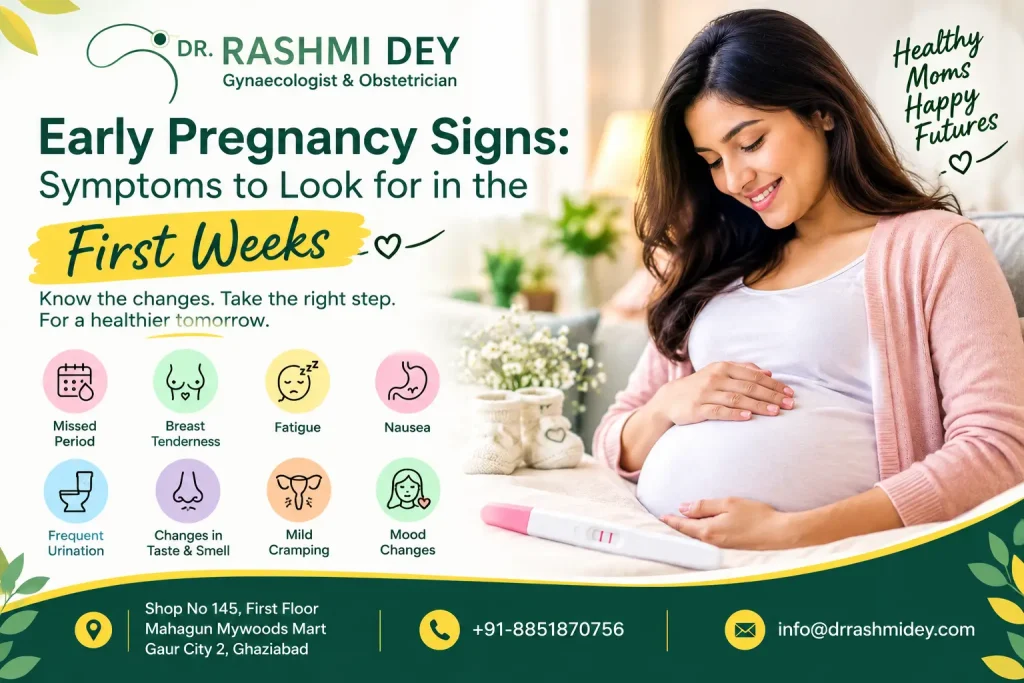
Early Pregnancy Signs: Symptoms to Look for in the First Weeks
Finding out that you may be pregnant can bring excitement, curiosity, and many questions. Some women notice changes within the first few weeks, while others may not experience noticeable symptoms until later. Understanding the early pregnancy signs can help you recognize possible changes in your body and know when it may be appropriate to take a pregnancy test or consult a healthcare professional.
What Are the Early Pregnancy Signs?
Pregnancy affects the body through hormonal and physical changes. Although symptoms can vary from woman to woman, some commonly noticed signs include a missed period, breast tenderness, fatigue, nausea, increased urination, mild cramping, and changes in appetite or smell.
It is important to remember that these symptoms do not always mean pregnancy. Similar changes can occur because of stress, hormonal fluctuations, menstrual cycles, or other health conditions. A pregnancy test and professional medical evaluation provide more reliable confirmation.
Early Pregnancy Signs 1 Week After Conception
Many women search for early pregnancy signs 1 week after conception. However, it can be too early to experience clear pregnancy symptoms at this stage.
After fertilization, the fertilized egg needs time to travel toward the uterus and implant. Pregnancy hormones then begin increasing. Because this process takes time, some women may feel no noticeable changes during the first week.
Possible early changes may include:
- Mild abdominal or pelvic discomfort
- Slight fatigue
- Subtle breast sensitivity
- Mood changes
- Changes in cervical or vaginal discharge
- Very light spotting around the time of implantation in some women
These signs are not specific to pregnancy, so they should not be used alone to confirm conception.
Common Early Pregnancy Signs and Symptoms
As pregnancy progresses, hormonal changes can make symptoms more noticeable. Some common early pregnancy signs and symptoms include:
1. Missed Period
For women with regular menstrual cycles, a missed period can be one of the earliest noticeable signs of pregnancy. However, periods can also be delayed because of stress, changes in weight, excessive exercise, hormonal conditions, or other factors.
2. Breast Tenderness
Hormonal changes can cause the breasts to feel sore, swollen, heavy, or more sensitive than usual. The nipples may also become more sensitive.
3. Fatigue
Feeling unusually tired is common during early pregnancy. Increasing progesterone levels and other changes in the body can contribute to tiredness, even when you have not changed your daily routine.
4. Nausea or Vomiting
Pregnancy-related nausea is commonly called morning sickness, although it can occur at any time of day. Some women experience nausea early, while others do not experience it at all.
5. Frequent Urination
Hormonal and circulatory changes during pregnancy can increase the need to urinate. This symptom may become more noticeable as pregnancy progresses.
6. Changes in Taste and Smell
Some women develop stronger sensitivity to particular smells or notice changes in their food preferences. Certain foods may suddenly become less appealing, while others may become more desirable.
7. Mild Cramping
Light cramping can occur during early pregnancy. However, severe, persistent, or one-sided abdominal pain should not be ignored and requires medical assessment.
8. Mood Changes
Hormonal fluctuations may contribute to emotional changes, including increased sensitivity, irritability, or unexpected mood changes.
When Should You Take a Pregnancy Test?
If you have missed your period or are experiencing several possible pregnancy symptoms, taking a home pregnancy test can be a useful first step. Testing too early may result in a negative result even if pregnancy has occurred because pregnancy hormone levels may not yet be high enough to detect.
For more reliable results, follow the instructions provided with the pregnancy test and consider testing around or after the expected date of your period.
If the result is positive, scheduling an appointment with a gynecologist can help confirm the pregnancy and establish appropriate prenatal care.
Early Pregnancy Signs vs PMS
Early pregnancy symptoms can sometimes feel similar to premenstrual syndrome (PMS). Breast tenderness, fatigue, mood changes, mild cramps, and food cravings can occur with both.
A missed period followed by a positive pregnancy test is generally more suggestive of pregnancy than symptoms alone. If you are uncertain about your symptoms, a gynecologist can help determine the appropriate next steps.
Women who have concerns about fertility, irregular periods, PCOS, or previous pregnancy difficulties may also benefit from personalized medical guidance.
When Should You Consult a Gynecologist in Ghaziabad?
If you think you may be pregnant, consulting a qualified gynecologist can help you begin pregnancy care at the right time. This is particularly important if you have a history of miscarriage, infertility, PCOS, thyroid problems, diabetes, high blood pressure, or other medical conditions.
Women in Ghaziabad, Gaur City 2, and nearby Noida Extension areas can seek professional guidance for pregnancy confirmation, prenatal care, and ongoing monitoring.
Early medical consultation can also help identify potential concerns and provide guidance about nutrition, supplements, lifestyle, vaccinations, and necessary pregnancy tests.
Important Symptoms That Need Medical Attention
Most early pregnancy symptoms are mild, but certain symptoms should not be ignored. Seek prompt medical attention if you experience:
- Heavy vaginal bleeding
- Severe abdominal or pelvic pain
- Severe dizziness or fainting
- Persistent vomiting with difficulty keeping fluids down
- Fever or significant weakness
- Severe one-sided abdominal pain
These symptoms may require urgent evaluation, particularly if pregnancy has already been confirmed.
Frequently Asked Questions
1. What are the earliest signs of pregnancy?
Common early signs can include a missed period, breast tenderness, fatigue, nausea, increased urination, mild cramping, and changes in taste or smell. However, symptoms vary considerably between women.
2. Can you have early pregnancy signs 1 week after conception?
Some women may notice subtle changes, but many experience no symptoms during the first week. Pregnancy symptoms generally become more noticeable after implantation and as pregnancy hormone levels increase.
3. How can I confirm whether my symptoms are due to pregnancy?
A pregnancy test is more reliable than symptoms alone. If the test is positive or you remain uncertain, consult a gynecologist for appropriate confirmation and guidance.
4. Are early pregnancy symptoms similar to PMS?
Yes. Symptoms such as breast tenderness, fatigue, mood changes, and mild cramping can occur with both PMS and early pregnancy. A pregnancy test can help distinguish between them.
5. When should I see a gynecologist after a positive pregnancy test?
It is advisable to schedule a consultation after a positive pregnancy test so your doctor can guide you regarding pregnancy confirmation, prenatal care, supplements, tests, and the appropriate follow-up schedule.
Also Read: 9 Months Pregnant Symptoms & Delivery Signs
Conclusion
Recognizing early pregnancy signs can help women understand changes occurring in their bodies, but symptoms alone cannot confirm pregnancy. A pregnancy test and professional medical consultation are the most appropriate ways to establish whether you are pregnant and begin timely care. If you are looking for pregnancy guidance or a gynecologist in Ghaziabad, seeking care early can provide reassurance and help support a healthy pregnancy journey.
For women seeking trusted pregnancy and women’s healthcare guidance in the area, Dr. Rashmi Dey | Gynaecologist And Obstetrician In Gaur City 2 provides consultation and personalized care for women at different stages of their reproductive and pregnancy journey.