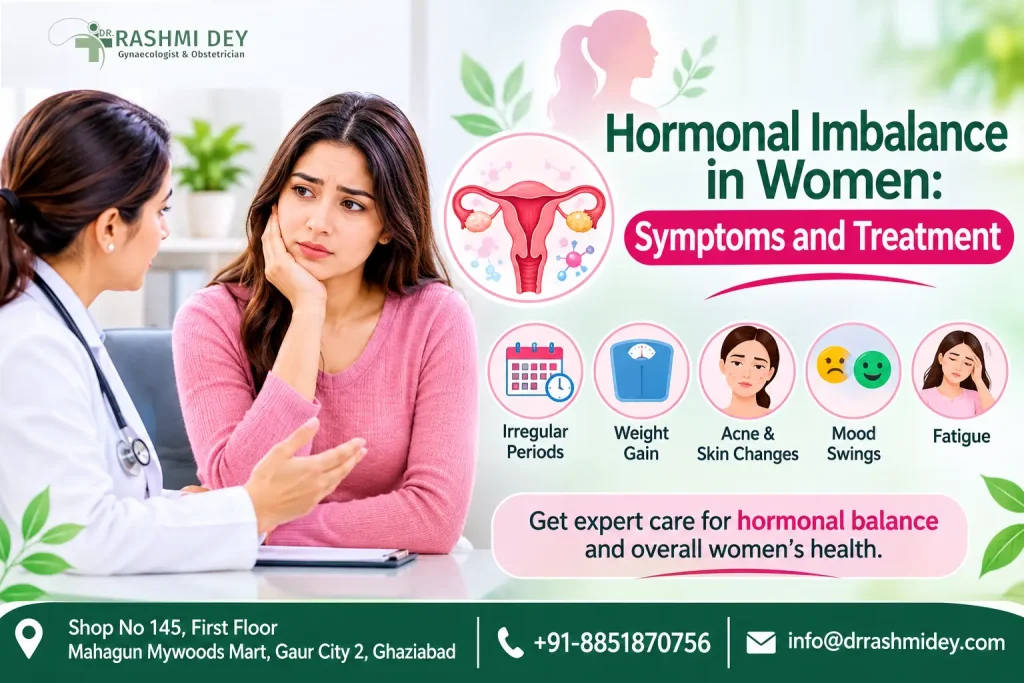
Hormonal Imbalance in Women: Symptoms and Treatment
Hormones play an essential role in maintaining a woman’s overall health. They regulate the menstrual cycle, fertility, metabolism, mood, sleep, skin health and reproductive functions. When hormone levels become too high or too low, the body may experience several physical and emotional changes. This condition is commonly known as hormonal imbalance in women.
Hormonal changes can occur at different stages of life, including puberty, reproductive years, pregnancy, postpartum and menopause. However, persistent symptoms such as irregular periods, unexplained weight gain, acne, excessive hair growth, mood swings and fatigue may indicate an underlying hormonal problem that needs medical attention.
Understanding the symptoms, causes and treatment options can help women take timely steps towards better health. If you are experiencing ongoing hormonal changes, consulting an experienced gynaecologist can help identify the cause and guide appropriate treatment.
What Is Hormonal Imbalance in Women?
Hormonal imbalance occurs when the body produces too much or too little of one or more hormones. Hormones are chemical messengers released by endocrine glands, including the thyroid, ovaries, pituitary gland and adrenal glands.
In women, important hormones include:
- Oestrogen: Supports reproductive health, menstrual cycles and bone health.
- Progesterone: Helps regulate the menstrual cycle and supports pregnancy.
- Testosterone: Contributes to muscle strength, energy and sexual health.
- Thyroid hormones: Regulate metabolism, energy levels and body temperature.
- Insulin: Helps control blood sugar levels.
- Prolactin: Plays an important role in breast development and milk production.
Even small changes in hormone levels can affect several body functions. The symptoms depend on which hormone is affected, the severity of the imbalance and the woman’s age and health condition.
What Are the Common Symptoms of Hormonal Imbalance in Women?
Hormonal imbalance can cause different symptoms, and not every woman experiences the same changes. Some symptoms develop gradually, while others may appear suddenly.
1. Irregular Menstrual Periods
Irregular periods are among the most common signs of hormonal imbalance. Women may experience delayed periods, missed periods, unusually frequent cycles or changes in menstrual flow.
Conditions such as polycystic ovary syndrome (PCOS), thyroid disorders and changes in reproductive hormones can affect the menstrual cycle.
2. Unexplained Weight Gain or Difficulty Losing Weight
Hormones influence metabolism, appetite and how the body stores fat. Thyroid disorders, insulin resistance and PCOS may contribute to unexplained weight changes.
However, weight gain alone does not necessarily indicate a hormonal problem. Diet, physical activity, sleep and other medical conditions should also be considered.
3. Acne and Skin Changes
Hormonal fluctuations can increase oil production in the skin, leading to acne, particularly around the chin, jawline and lower face.
Some women experience persistent acne even after their teenage years. Increased androgen levels, which may occur with PCOS, can contribute to this problem.
4. Excessive Hair Growth or Hair Thinning
An increase in androgen hormones may cause unwanted facial or body hair growth, particularly on the chin, upper lip and chest.
On the other hand, hormonal changes, thyroid disorders and certain nutritional deficiencies may contribute to hair thinning or hair loss.
5. Mood Swings and Irritability
Hormones influence brain chemicals involved in emotional regulation. Fluctuations in oestrogen and progesterone may contribute to mood swings, anxiety, irritability and emotional sensitivity.
If mood changes are persistent or interfere with daily life, medical evaluation may be helpful.
6. Persistent Fatigue and Low Energy
Feeling tired despite getting adequate sleep can sometimes be associated with hormonal conditions such as hypothyroidism.
Other possible causes include anaemia, sleep disorders, stress and nutritional deficiencies. Identifying the underlying reason is important before starting treatment.
7. Sleep Disturbances
Hormonal fluctuations may affect sleep quality. Some women experience difficulty falling asleep, frequent waking or night sweats, particularly during perimenopause and menopause.
8. Difficulty Getting Pregnant
Hormonal disorders can interfere with ovulation and menstrual regularity, making conception difficult.
PCOS, thyroid dysfunction and elevated prolactin levels are some conditions that may affect fertility. Appropriate diagnosis and treatment can help improve reproductive health.
What Causes Hormonal Imbalance in Women?
There is no single cause of hormonal imbalance. Several medical conditions and lifestyle factors can affect hormone production and regulation.
The common causes include:
1. Polycystic Ovary Syndrome (PCOS)
PCOS is a common hormonal and metabolic condition that can affect women during their reproductive years. It may cause irregular periods, increased androgen levels, acne, unwanted facial hair and difficulty with ovulation.
Some women with PCOS also experience insulin resistance, which can affect blood sugar regulation.
2. Thyroid Disorders
The thyroid gland produces hormones that regulate metabolism and energy levels.
- Hypothyroidism: Occurs when the thyroid gland produces insufficient hormones. Symptoms may include fatigue, weight gain, constipation, dry skin and irregular periods.
- Hyperthyroidism: Occurs when the thyroid gland produces excessive hormones. It may cause weight loss, palpitations, anxiety, excessive sweating and menstrual changes.
3. Stress and Lifestyle Factors
Long-term stress can affect the body’s hormonal regulation, particularly through the hypothalamic-pituitary-adrenal system.
Inadequate sleep, extreme dieting, excessive exercise and significant changes in body weight may also affect menstrual function and reproductive hormones.
4. Perimenopause and Menopause
As women approach menopause, oestrogen and progesterone levels fluctuate and eventually decline.
This transition may cause irregular periods, hot flashes, night sweats, vaginal dryness, sleep disturbances and mood changes.
5. Pregnancy and Postpartum Changes
Pregnancy causes significant hormonal changes that support the growth and development of the baby.
After childbirth, hormone levels change again. These changes may affect menstrual cycles, mood, skin and hair growth.
6. Elevated Prolactin Levels
Prolactin is a hormone responsible for breast milk production. Excessively high prolactin levels outside pregnancy and breastfeeding may cause irregular periods, breast milk discharge and fertility problems.
How Is Hormonal Imbalance Diagnosed?
Hormonal imbalance cannot be diagnosed through symptoms alone. A proper medical evaluation helps identify the underlying condition.
A gynaecologist may recommend the following assessments depending on your symptoms:
1. Medical History and Physical Examination
The doctor may ask about menstrual cycles, weight changes, acne, hair growth, sleep patterns, medication use and reproductive health.
2. Blood Tests
Depending on the suspected condition, investigations may include:
- Thyroid-stimulating hormone (TSH).
- Free T4 and other thyroid tests when indicated.
- Prolactin levels.
- Total or free testosterone when clinically appropriate.
- Blood glucose and HbA1c.
- Additional reproductive hormone tests based on menstrual history and symptoms.
Not every woman needs every hormone test. The timing of testing during the menstrual cycle can also influence certain results.
3. Pelvic Ultrasound
An ultrasound may be recommended to examine the uterus and ovaries when conditions such as PCOS, fibroids or other reproductive health concerns are suspected.
4. Additional Investigations
Depending on the symptoms, the doctor may recommend other tests to assess metabolic health, fertility or specific endocrine conditions.
What Are the Treatment Options for Hormonal Imbalance in Women?
Treatment depends on the underlying cause, symptoms, age, reproductive goals and overall health. There is no single treatment that works for every woman.
Common treatment approaches include:
1. Lifestyle Modifications
Healthy lifestyle habits can support hormonal and metabolic health.
- Maintain a balanced diet with vegetables, fruits, whole grains and adequate protein.
- Exercise regularly according to your fitness level.
- Maintain a healthy and sustainable body weight.
- Get sufficient sleep.
- Manage stress through relaxation techniques, yoga or meditation.
- Avoid extreme dieting and excessive exercise.
These changes may be particularly helpful for women with PCOS and insulin resistance.
2. Medication for Thyroid Disorders
Women diagnosed with hypothyroidism may require thyroid hormone replacement medication. Hyperthyroidism may require specific medicines or other treatment depending on its cause and severity.
Regular monitoring helps doctors adjust treatment safely.
3. Treatment for PCOS
PCOS treatment is individualised according to symptoms and pregnancy plans. It may include lifestyle modifications, medicines to regulate periods, treatment for acne or unwanted hair growth, and ovulation-inducing medication when pregnancy is desired.
4. Hormonal Treatment
In selected cases, doctors may recommend hormonal medicines, such as combined hormonal contraceptives or progesterone therapy, to regulate menstrual cycles or manage specific symptoms.
Hormone therapy during menopause may be considered for suitable women after evaluating individual benefits and risks.
5. Fertility Treatment
Women experiencing difficulty conceiving due to hormonal disorders may benefit from fertility evaluation and treatment.
Depending on the diagnosis, treatment may focus on restoring ovulation, managing thyroid or prolactin disorders, or addressing other fertility-related factors.
Important: Never start hormone supplements or prescription hormonal medicines without consulting a qualified healthcare professional.
Can Hormonal Imbalance Be Managed Naturally?
Some lifestyle habits can support overall hormonal health, although natural remedies cannot replace medical treatment for conditions such as PCOS, thyroid disorders or elevated prolactin.
Helpful habits include:
- Eating a nutritious and balanced diet.
- Maintaining regular physical activity.
- Getting 7–9 hours of sleep when possible.
- Managing daily stress.
- Avoiding smoking.
- Limiting excessive caffeine if it affects sleep or anxiety.
- Maintaining regular health check-ups.
Be cautious of products advertised as hormone-balancing supplements. Their safety and effectiveness may not be established, and some can interfere with medications.
When Should You Consult a Gynaecologist?
Occasional menstrual changes can happen due to stress, illness or normal hormonal fluctuations. However, persistent or severe symptoms should not be ignored.
Consult a gynaecologist if you experience:
- Repeatedly irregular or missed periods.
- Very heavy or prolonged menstrual bleeding.
- Persistent acne or excessive facial hair growth.
- Unexplained weight changes.
- Unusual breast milk discharge when not breastfeeding.
- Difficulty getting pregnant.
- Persistent fatigue or significant mood changes.
- Symptoms of early menopause.
Seek urgent medical attention if you experience very heavy bleeding accompanied by dizziness or fainting, or severe pelvic pain.
Early diagnosis can help prevent complications and improve long-term reproductive and general health.
Frequently Asked Questions
1. What are the first signs of hormonal imbalance in women?
The early signs may include irregular periods, acne, unexplained weight changes, mood swings, fatigue, hair thinning and changes in sleep patterns. Symptoms vary depending on the hormone involved.
2. Can hormonal imbalance cause irregular periods?
Yes. Hormonal conditions such as PCOS, thyroid disorders and elevated prolactin can interfere with ovulation and menstrual cycle regulation, resulting in irregular periods.
3. Can hormonal imbalance affect fertility?
Yes. Certain hormonal disorders can affect ovulation, egg development and menstrual regularity. However, many women with hormonal conditions can conceive with appropriate medical guidance and treatment.
4. How can I balance my hormones naturally?
A balanced diet, regular exercise, adequate sleep, stress management and maintaining a healthy weight can support hormonal health. However, medical conditions may require specific treatment.
5. Which doctor should I consult for hormonal imbalance?
A gynaecologist is an appropriate specialist for hormonal concerns related to menstrual cycles, PCOS, reproductive health and fertility. Depending on the diagnosis, an endocrinologist may also be involved.
6. Is hormonal imbalance dangerous?
Not every hormonal fluctuation is dangerous. However, untreated conditions such as thyroid disorders, PCOS and prolonged menstrual disturbances may lead to complications. Timely diagnosis and appropriate treatment are important.
Conclusion
Hormonal imbalance in women can affect menstrual health, fertility, metabolism, emotional well-being and overall quality of life. Symptoms such as irregular periods, acne, unexplained weight changes, fatigue and difficulty conceiving should not be ignored, especially when they persist. Identifying the underlying cause through proper medical evaluation is the first step towards effective treatment.
If you are experiencing symptoms of hormonal imbalance and looking for professional women’s healthcare guidance, consult Dr. Rashmi Dey, an experienced Gynecologist in Gaur City 2, for personalised evaluation, diagnosis and treatment. With a focus on women’s wellness, menstrual health, PCOS, fertility and pregnancy care, Dr. Rashmi Dey aims to help women make informed decisions about their reproductive health.
Read Also Blog:
PCOS and Pregnancy
Heavy Menstrual Bleeding: Causes and When to Seek Help
What Is Pelvic Pain? Symptoms, Causes & Treatment
Infertility in Women: Causes, Symptoms, Tests & Treatment
Implanon Insertion in Gaur City 2, Ghaziabad
Laparoscopic Surgery in Gaur City 2, Ghaziabad