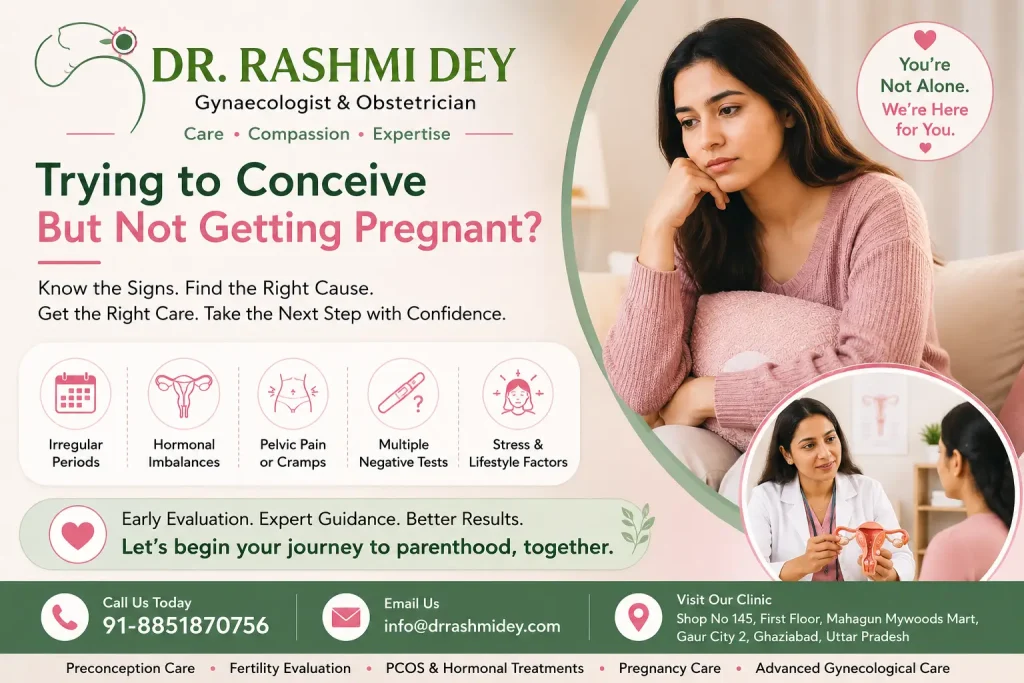
Signs You Can’t Get Pregnant: Symptoms, Causes & Treatment Guide
Planning a pregnancy is an exciting journey, but for some couples, conception may take longer than expected. While occasional delays are common, consistently trying without success can sometimes indicate an underlying fertility issue. Understanding the signs you can’t get pregnant can help you seek timely medical advice and improve your chances of a healthy pregnancy.
According to fertility experts, infertility affects both men and women, and many causes are treatable with the right diagnosis and care. Early evaluation allows doctors to identify hormonal imbalances, ovulation problems, or other health conditions before they become more challenging to manage.
When Should You Be Concerned?
Most healthy couples conceive within one year of regular, unprotected intercourse. However, you should consider consulting a gynecologist if:
- You are under 35 years old and have been trying for over 12 months.
- You are 35 years or older and have been trying for 6 months.
- You have irregular or absent menstrual cycles.
- You have experienced multiple miscarriages.
- You have a known reproductive health condition such as PCOS or endometriosis.
Seeking medical advice early can significantly improve treatment outcomes.
Common Signs You May Be Having Difficulty Getting Pregnant
1. Irregular Menstrual Cycles
A regular menstrual cycle usually indicates healthy ovulation. If your periods are consistently irregular, too long, too short, or frequently missed, it may suggest that ovulation is not occurring regularly. Conditions such as Polycystic Ovary Syndrome (PCOS) and thyroid disorders are common causes.
2. No Menstrual Periods
Missing periods without pregnancy is a significant sign that requires medical attention. Hormonal disorders, excessive exercise, sudden weight changes, stress, or premature ovarian insufficiency may prevent ovulation altogether.
3. Very Painful Periods
Severe menstrual cramps, pelvic pain, or pain during intercourse may indicate endometriosis. This condition occurs when tissue similar to the uterine lining grows outside the uterus, potentially affecting fertility.
4. Heavy or Extremely Light Bleeding
Changes in menstrual flow may reflect hormonal imbalance or uterine conditions such as fibroids or polyps. Both can interfere with successful conception and implantation.
5. Hormonal Changes
Hormonal imbalance often causes symptoms beyond irregular periods, including:
- Persistent acne
- Excess facial or body hair
- Hair thinning or hair loss
- Sudden weight gain
- Mood changes
- Milky nipple discharge (without pregnancy)
These symptoms should be evaluated by a qualified gynecologist.
6. Multiple Pregnancy Losses
Experiencing two or more miscarriages may indicate an underlying reproductive, hormonal, genetic, or immune-related condition. Proper evaluation helps identify treatable causes.
7. Chronic Pelvic Pain
Persistent pelvic discomfort outside your menstrual cycle could be linked to pelvic inflammatory disease, endometriosis, ovarian cysts, or uterine abnormalities that affect fertility.
8. Previous Pelvic Surgery or Infections
Past surgeries involving the uterus, ovaries, or fallopian tubes, as well as untreated sexually transmitted infections, may lead to scarring that blocks fertilization.

What Causes Female Infertility?
Female infertility can result from several medical conditions. The most common include:
Ovulation Disorders
Irregular or absent ovulation accounts for many infertility cases. PCOS, thyroid disorders, obesity, and hormonal imbalances are frequent causes.
Polycystic Ovary Syndrome (PCOS)
PCOS affects hormone levels, causing irregular ovulation, weight gain, acne, and excess hair growth. Fortunately, many women with PCOS successfully conceive with proper treatment.
Endometriosis
Endometriosis can damage reproductive organs and interfere with fertilization or implantation if left untreated.
Blocked Fallopian Tubes
Fallopian tubes may become blocked due to infections, previous surgeries, or pelvic inflammatory disease, preventing the egg and sperm from meeting.
Uterine Problems
Fibroids, uterine polyps, congenital abnormalities, or scar tissue inside the uterus may reduce fertility or increase miscarriage risk.
Age-Related Fertility Decline
Women’s fertility naturally declines after age 35 because both egg quantity and quality decrease over time. Early fertility assessment becomes increasingly important with advancing age.
Lifestyle Factors That Can Affect Fertility
Daily habits also play an important role in reproductive health.
These include:
- Smoking or tobacco use
- Excessive alcohol consumption
- Poor diet
- Obesity or being underweight
- Chronic stress
- Lack of physical activity
- Poor sleep quality
Maintaining a healthy lifestyle can improve fertility and support overall reproductive health.
How Is Female Infertility Diagnosed?
A gynecologist may recommend:
- Detailed medical history
- Menstrual cycle evaluation
- Hormone blood tests
- Ovulation assessment
- Pelvic ultrasound
- Ovarian reserve testing
- Hysterosalpingography (HSG) to check fallopian tubes
- Additional fertility investigations if needed
Early diagnosis often leads to more effective treatment options.
Treatment Options
Treatment depends on the underlying cause and may include:
- Ovulation-inducing medications
- Lifestyle modifications
- Hormonal therapy
- Treatment for thyroid or PCOS
- Laparoscopic surgery for endometriosis or fibroids
- Intrauterine Insemination (IUI)
- In Vitro Fertilization (IVF), when appropriate
Many couples achieve successful pregnancies after receiving personalized fertility care.
When Should You Visit a Gynecologist?
Do not ignore persistent fertility concerns. Schedule an appointment if:
- You’ve been trying to conceive without success.
- Your periods are consistently irregular.
- You have severe menstrual pain.
- You’ve had repeated miscarriages.
- You have PCOS, endometriosis, or thyroid disorders.
- You’re over 35 and planning pregnancy.
Prompt medical evaluation provides the best opportunity to identify treatable conditions and improve fertility outcomes.
Why Choose Dr. Rashmi Dey?
If you’re searching for an experienced gynecologist in Gaur City 2, Ghaziabad, Dr. Rashmi Dey provides compassionate, evidence-based care for women at every stage of their fertility journey. From fertility assessments and PCOS management to pregnancy planning and comprehensive gynecological care, personalized treatment plans are designed to support your reproductive health goals.
Whether you’re trying to conceive for the first time or facing fertility challenges, timely consultation can make a meaningful difference.
Frequently Asked Questions
Can irregular periods mean I cannot get pregnant?
Irregular periods often indicate irregular ovulation, which can make conception more difficult. However, many women with irregular cycles successfully become pregnant after appropriate treatment.
How long should I try before seeing a fertility specialist?
If you’re under 35, seek evaluation after one year of trying. If you’re 35 or older, consult a specialist after six months of unsuccessful attempts.
Does PCOS always cause infertility?
No. Although PCOS can interfere with ovulation, many women with PCOS conceive naturally or with medical assistance.
Can stress prevent pregnancy?
High stress levels may affect hormone balance and ovulation. Managing stress through healthy lifestyle habits can support fertility.
Is infertility only a female problem?
No. Male factors contribute to infertility in nearly half of affected couples. Both partners should be evaluated during fertility assessment.
Conclusion
Difficulty conceiving doesn’t always mean pregnancy is impossible. Many fertility issues are temporary, manageable, or completely treatable with early diagnosis and expert care. Paying attention to symptoms such as irregular periods, pelvic pain, hormonal changes, or repeated pregnancy loss allows timely medical intervention.
If you’re concerned about your fertility or have been trying to conceive without success, consult Dr. Rashmi Dey, a trusted gynecologist in Gaur City 2, Ghaziabad, for comprehensive evaluation and personalized guidance. Taking the first step today can help you move closer to achieving a healthy pregnancy tomorrow.